
Marius Troy
That Which Already Exists
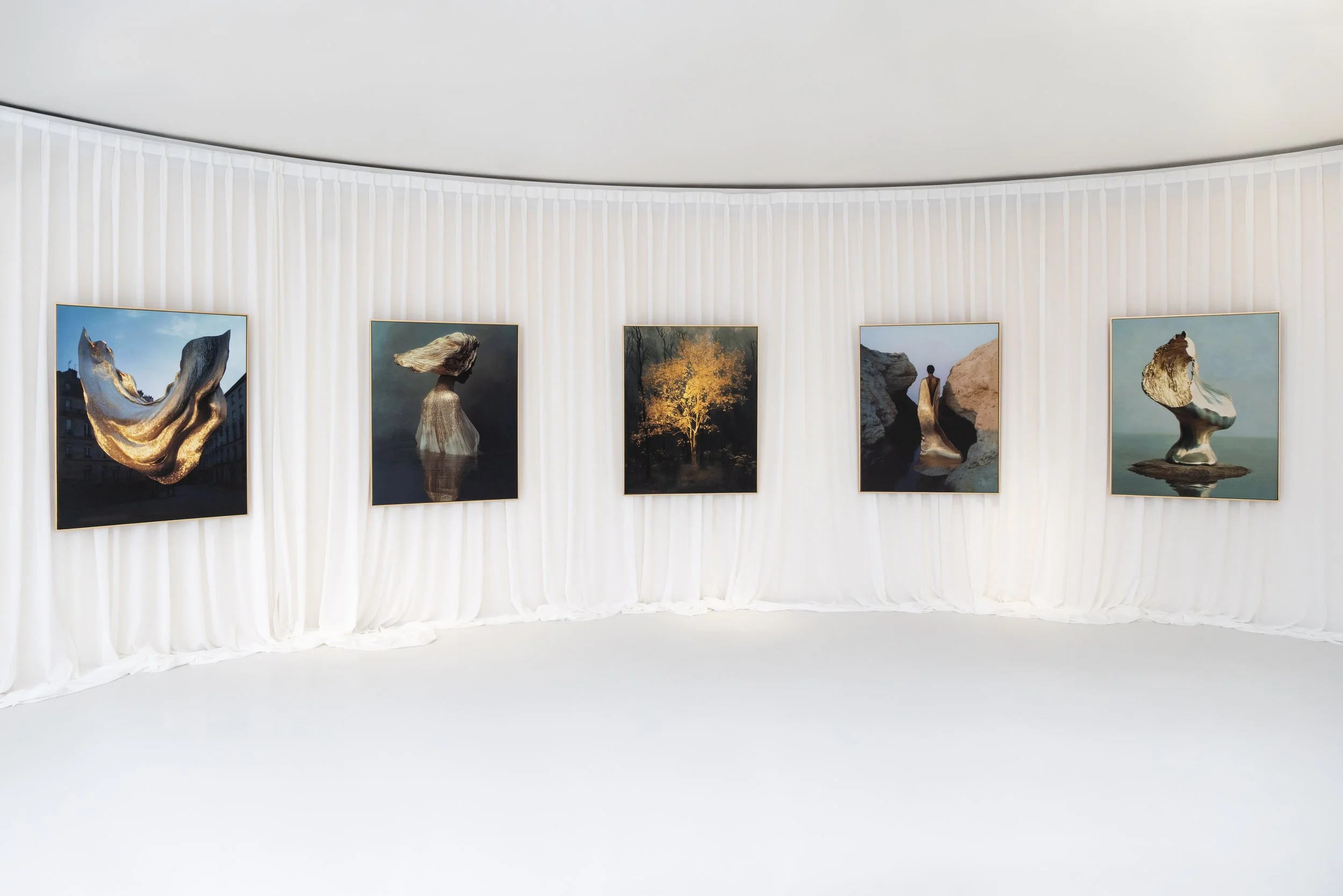
상상된 것이 현실로 드러나는 순간을 암시하는 ‘금’의 이미지와 함께, 다섯 점의 작업으로 구성된다.
각 이미지는 발견된 것과 만들어진 것 사이에 놓여 있으며, 지각의 경계 너머에서 떠오른 듯한 형태를 드러낸다.
이 연작은 상상이 현실로부터의 도피가 아니라, 현실을 확장시키는 하나의 방식이라는 생각을 탐구한다.
여기서 보이는 것은 먼 미래를 묘사하는 것이 아니라, 이미 잠재적으로 존재하며 형태를 얻기를 기다리는 상태다.
오브제와 상징 사이를 오가며, 이 작업들은 ‘되어가는 것’의 흔적으로 기능한다 —가시성의 영역으로 넘어온 사유의 메아리다.
이 맥락에서 금은, 보이지 않던 것이 무게를 갖기 시작하는 순간을 표시한다.
That Which Already Exists gathers five works in which gold appears as a signal of something imagined, and therefore made possible. Each image presents a form that is both discovered and constructed, as if it has surfaced from a place just beyond perception.
The series explores the idea that imagination is not an escape from reality, but a mechanism through which reality expands. What is seen here does not depict a distant future, but a condition already present in potential, waiting to take form.
Moving between object and symbol, the works function as artifacts of becoming, echoes of thoughts that have crossed into visibility. Gold, in this context, marks the moment where the invisible begins to hold weight.
About the Artist / 작가 소개
마리우스 트로이는 예술, 기술, 지각의 교차점에서 작업하는 노르웨이 작가다. 패션, 사진, 디지털 디자인을 아우르는 배경을 바탕으로 20년이 넘는 시간 동안 다양한 분야에 걸쳐 시각 문화를 형성해왔다. 그의 작업은 AI 생성 이미지부터 눈만큼이나 몸을 끌어들이는 대형 설치에 이르기까지, 관람객을 종종 성찰과 존재감, 그리고 조용한 방향 상실의 상태로 초대한다.
그의 작업 방식의 핵심에는 무언가가 가능해지기 전에, 먼저 상상 가능한 것이 되어야 한다는 생각이 자리한다. 이런 의미에서 기술은 그의 작업의 주제가 아니라, 새로운 형태의 지각이 출현할 수 있는 매체다.
Marius Troy is a Norwegian artist working at the intersection of art, technology, and perception. His practice explores how emerging tools can expand human experience, creating immersive environments that blur the boundary between the physical and the imagined.
With a background spanning fashion, photography, and digital design, Troy has spent over two decades shaping visual culture across disciplines. His work ranges from AI-generated imagery to large-scale installations that engage the body as much as the eye, often inviting audiences into states of reflection, presence, and quiet disorientation.
Central to his approach is the idea that before anything becomes possible, it must first become imaginable. Technology, in this sense, is not the subject of his work, but a medium through which new forms of perception can emerge.
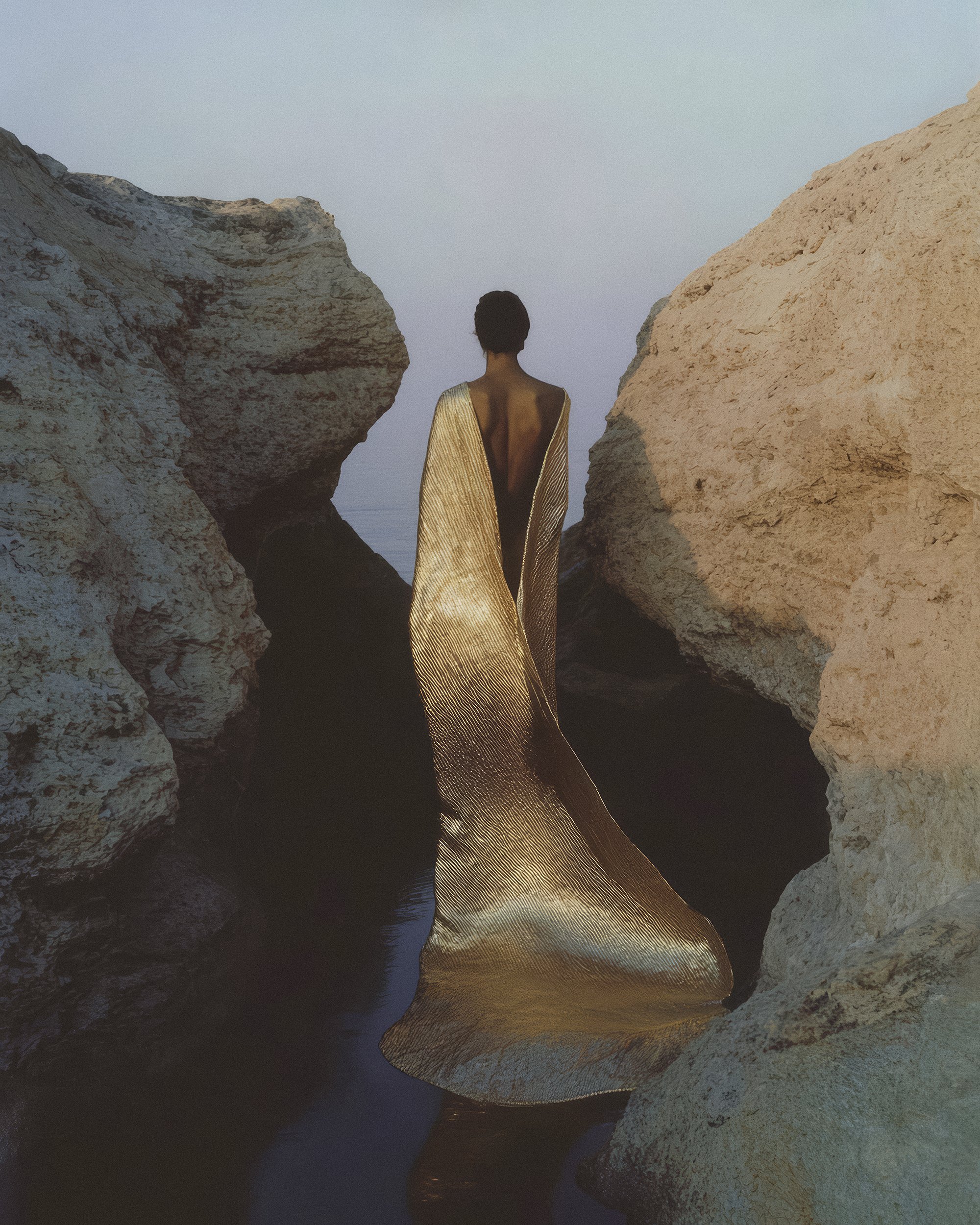
Rivières d’Or II
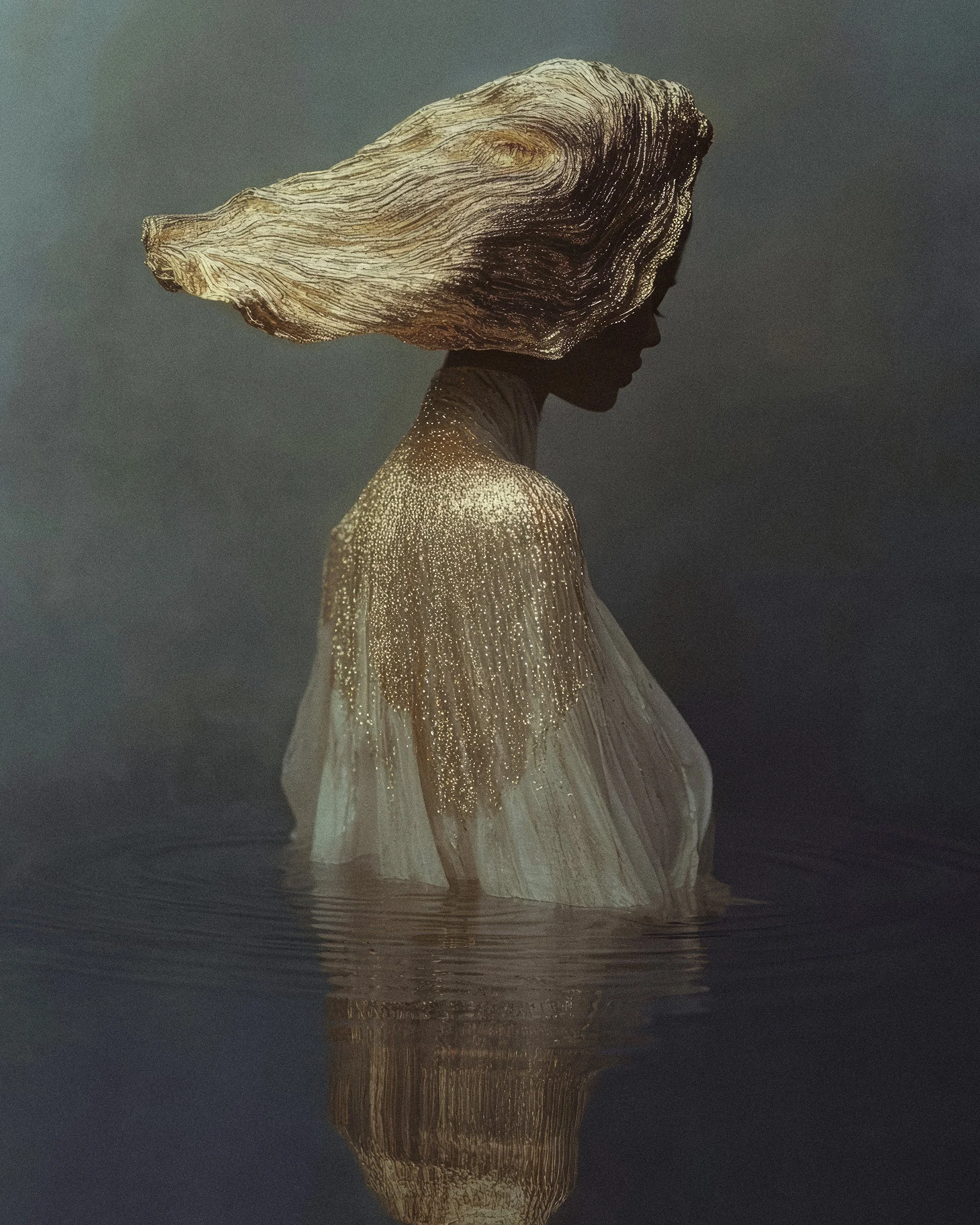
ORACLE
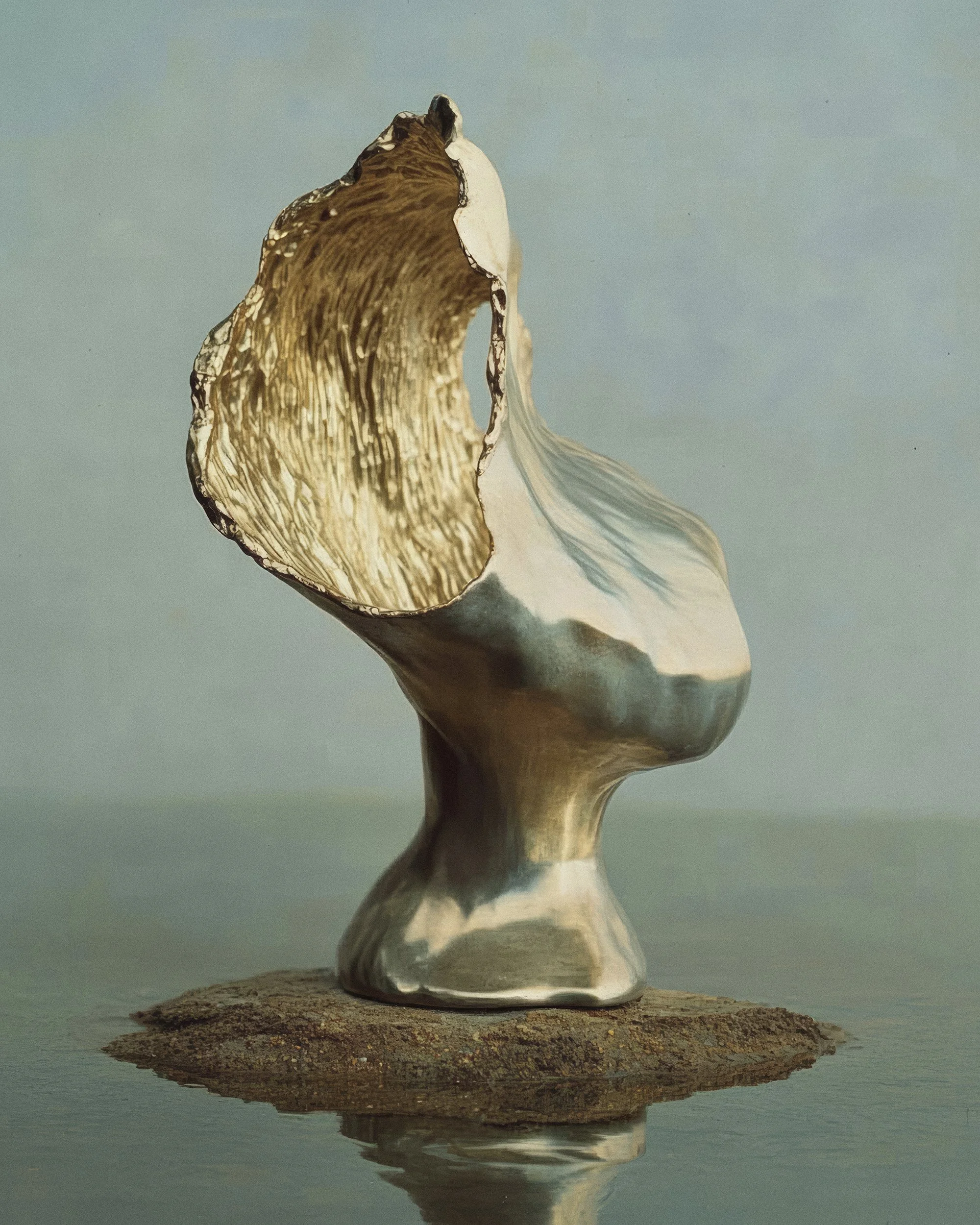
RELIC
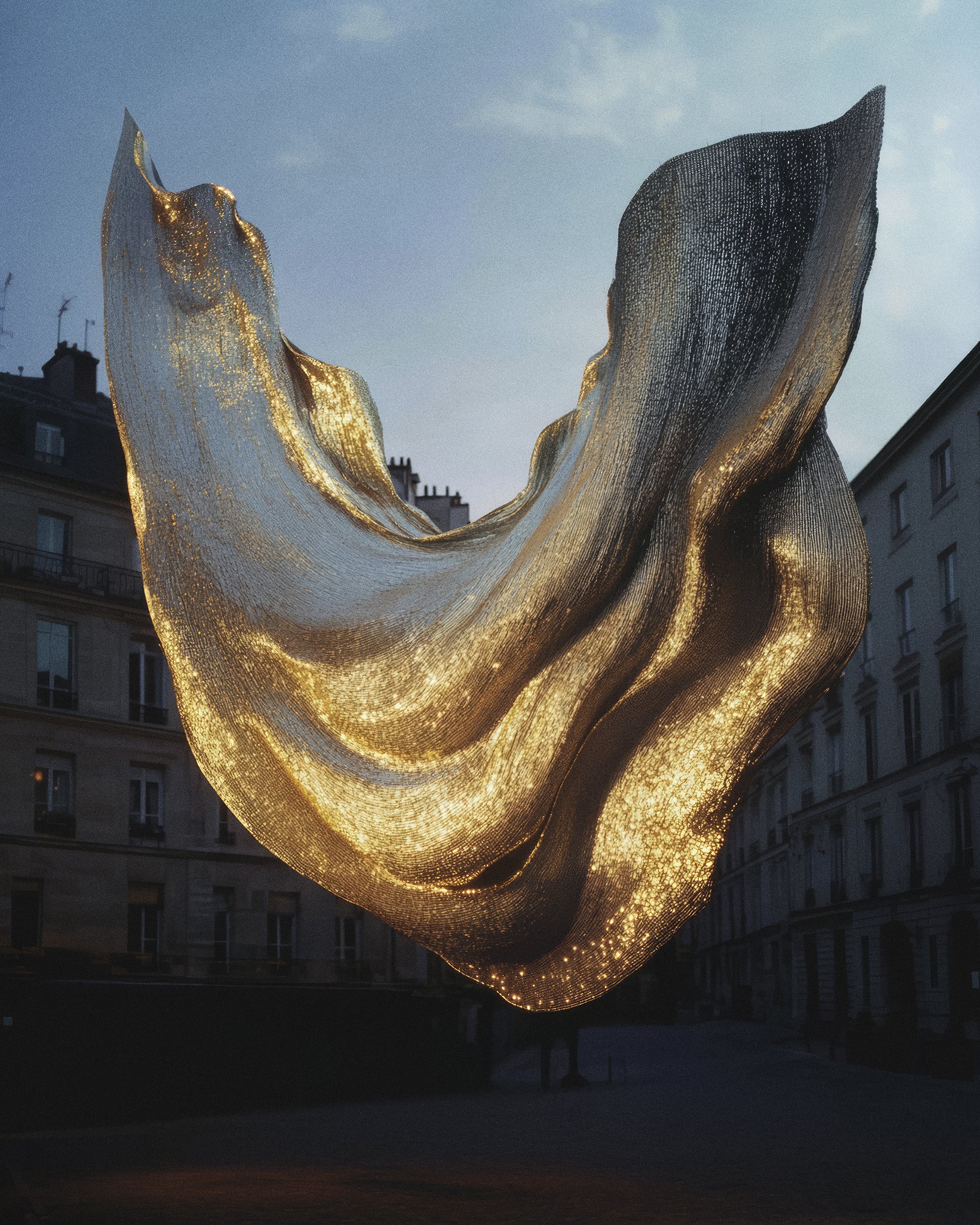
BEACON
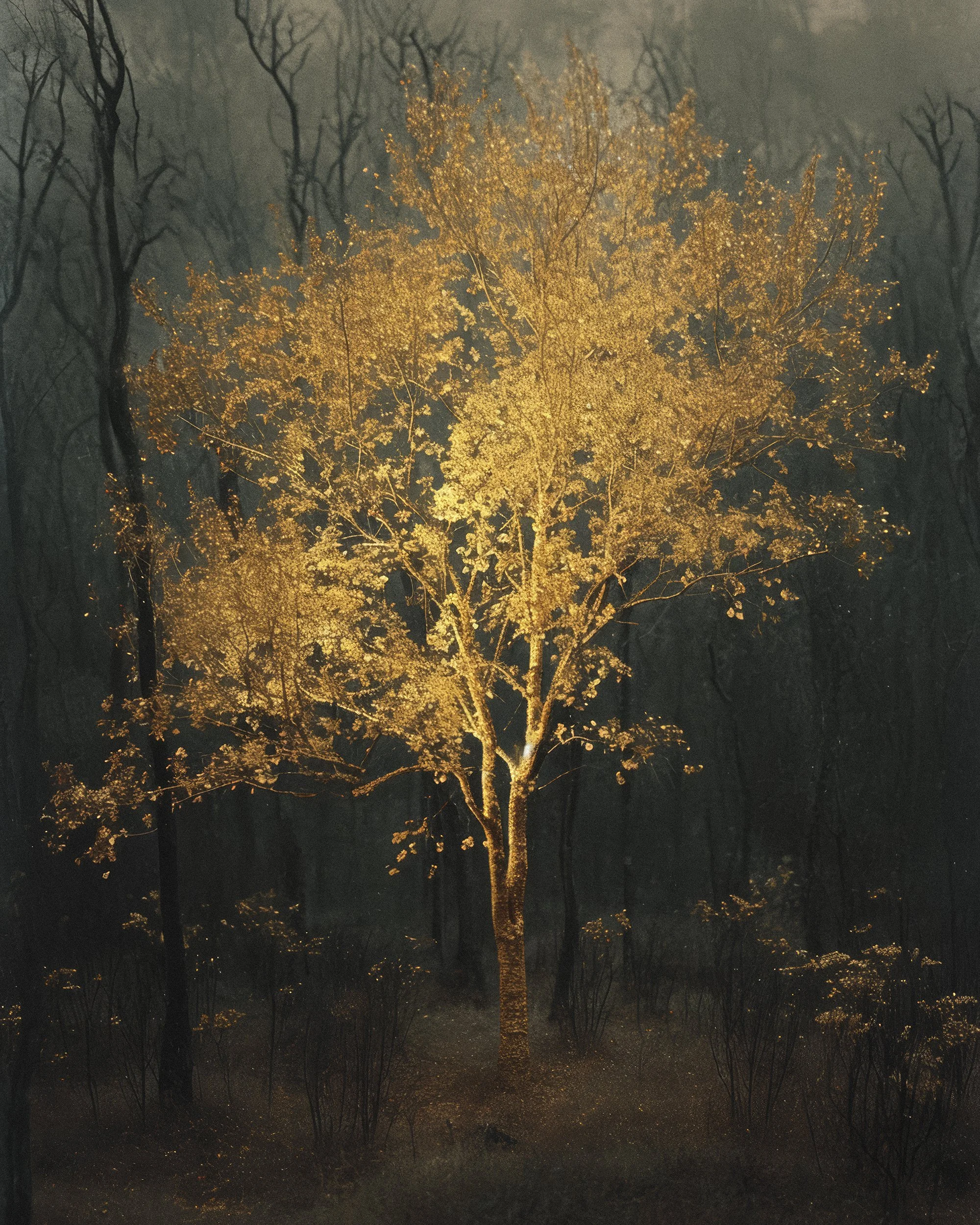
SPIRIT
FEATURED COLLECTION
Marius Troy's work is featured in the Maison Navie Collection.