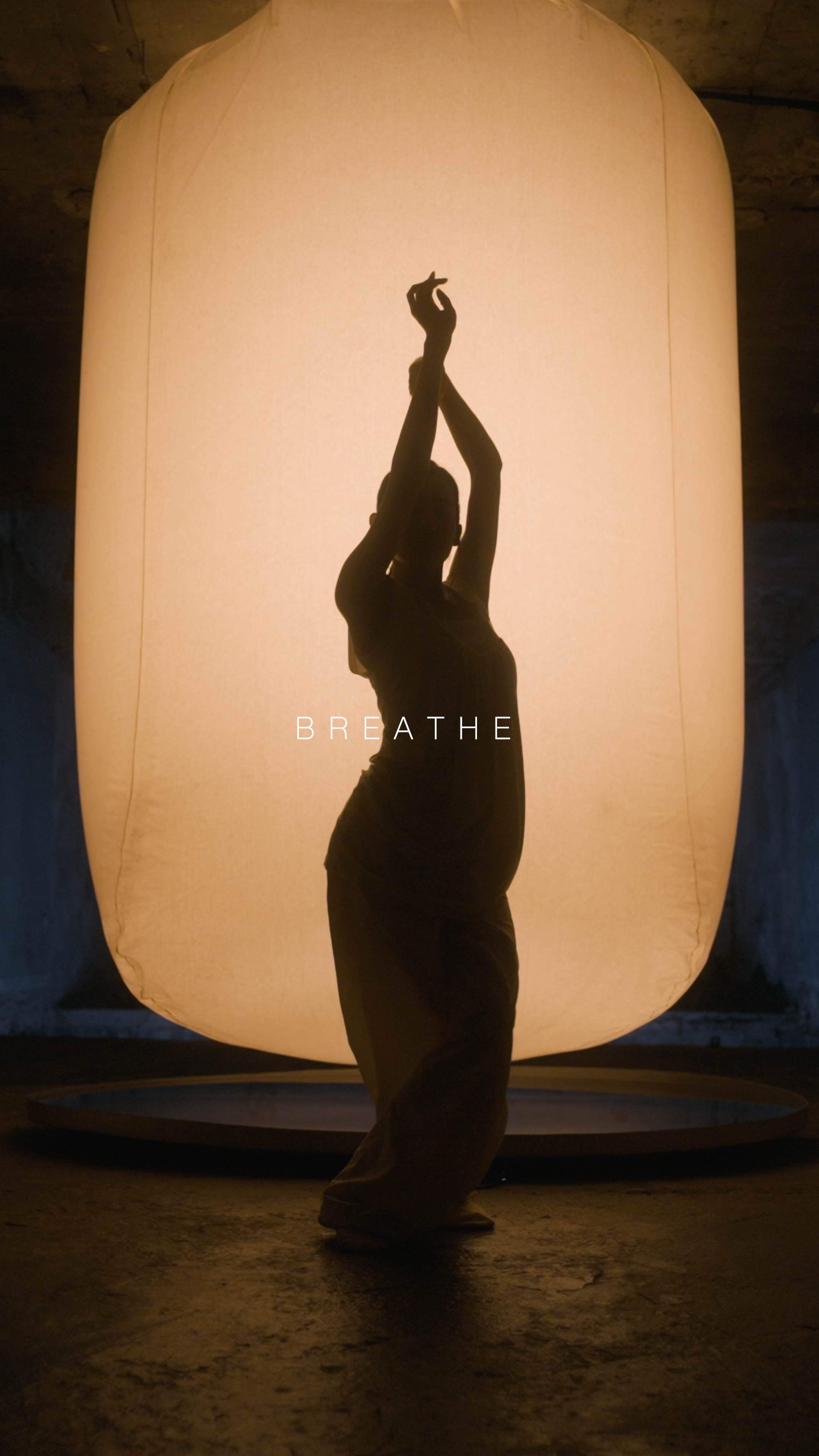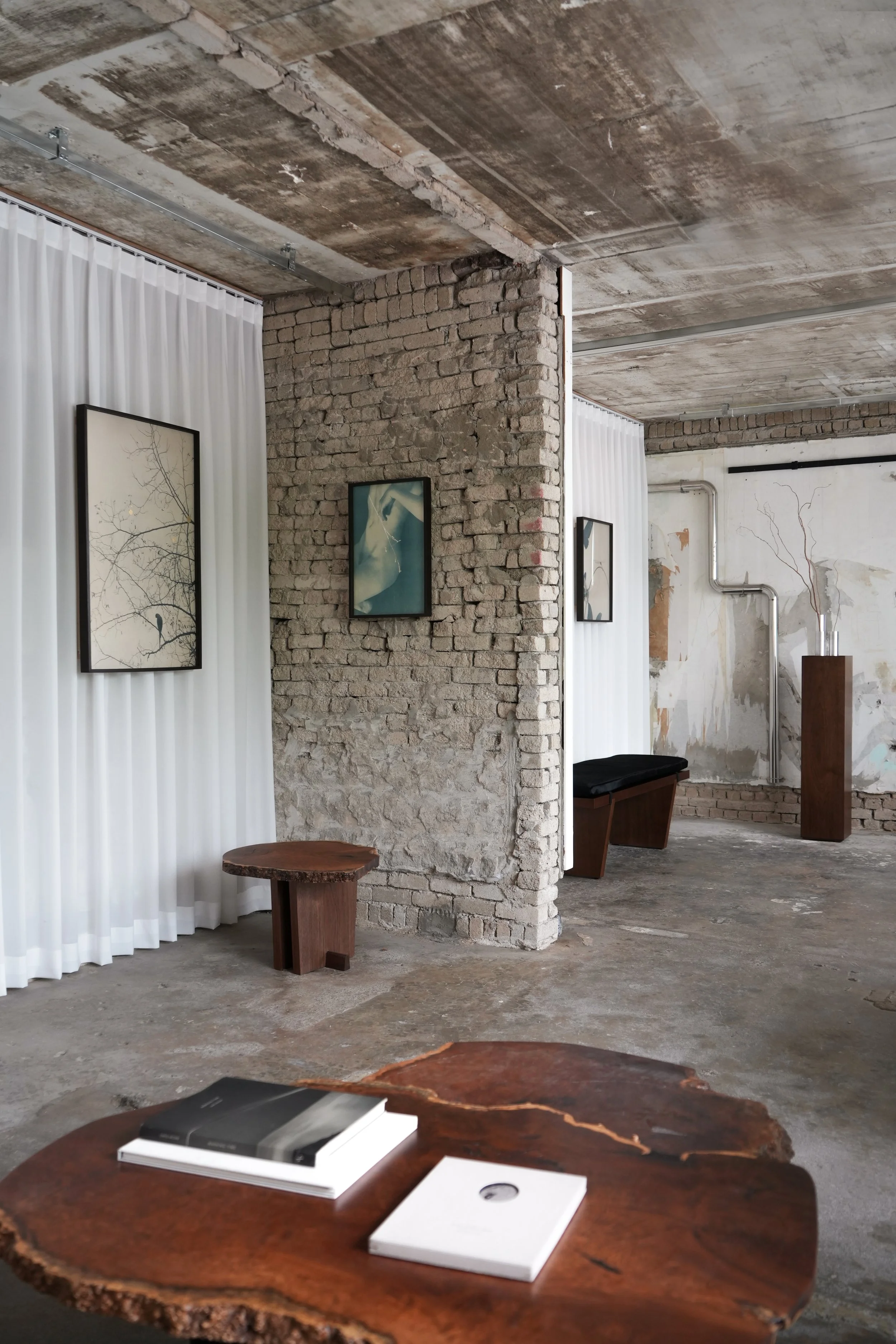
CURATED DIALOGUES — EP.01
Maria Baoli × RAW & MATTER
Brussels × Seoul
CURATED DIALOGUES — EP.01
Different disciplines.
A shared attitude toward making.
Two creators, two cities, two different materials.
Maria Baoli works through photography, paper, light, and the gestures of the hand.
RAW & MATTER works through furniture, wood, metal, and space.
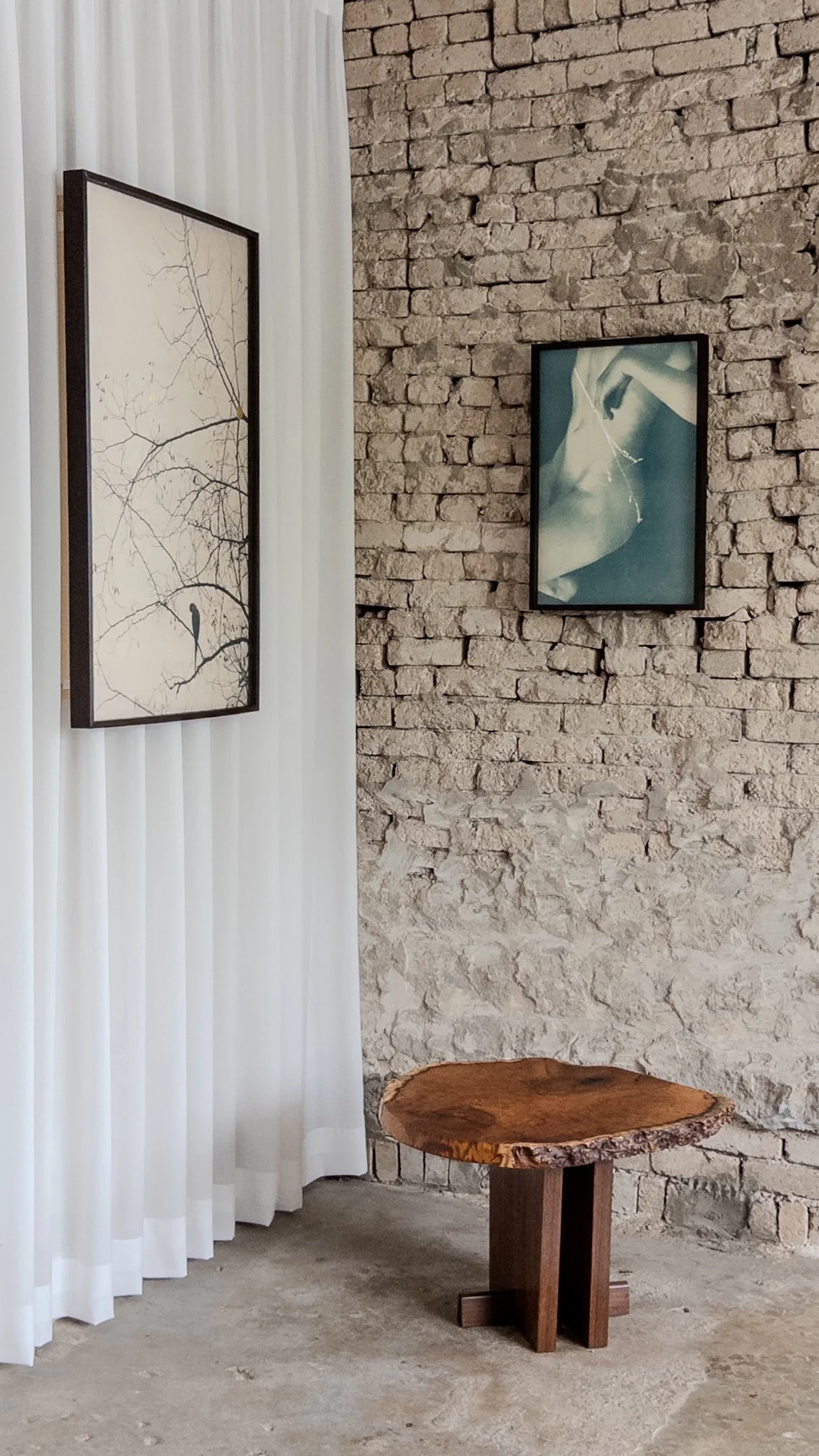
When their works first came together, it was their visual harmony that caught our attention.
But as we spent more time with their practices, another connection became clear.
Beyond aesthetics, they share a similar attitude toward material, process,
and the relationship between an object and the person experiencing it.
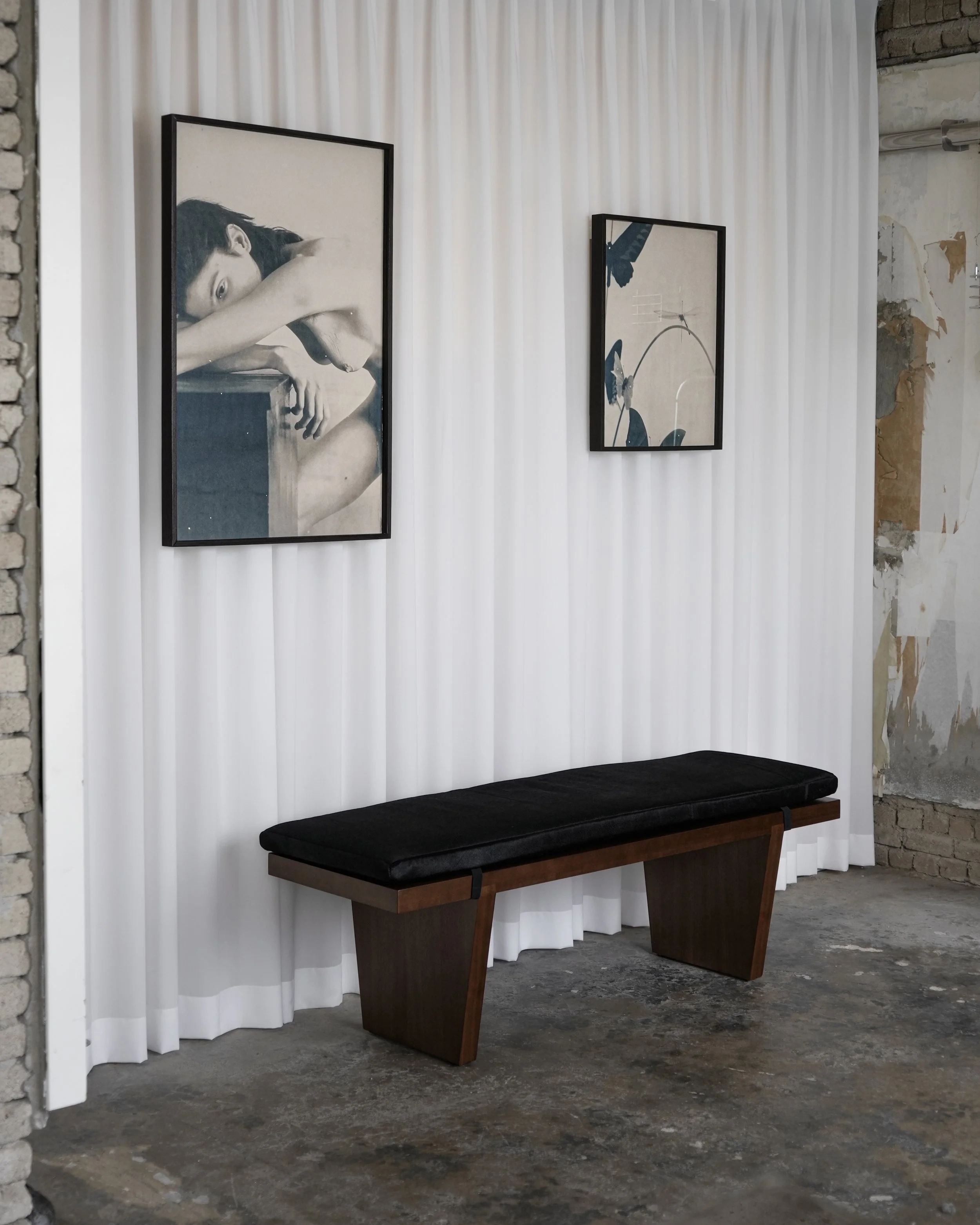
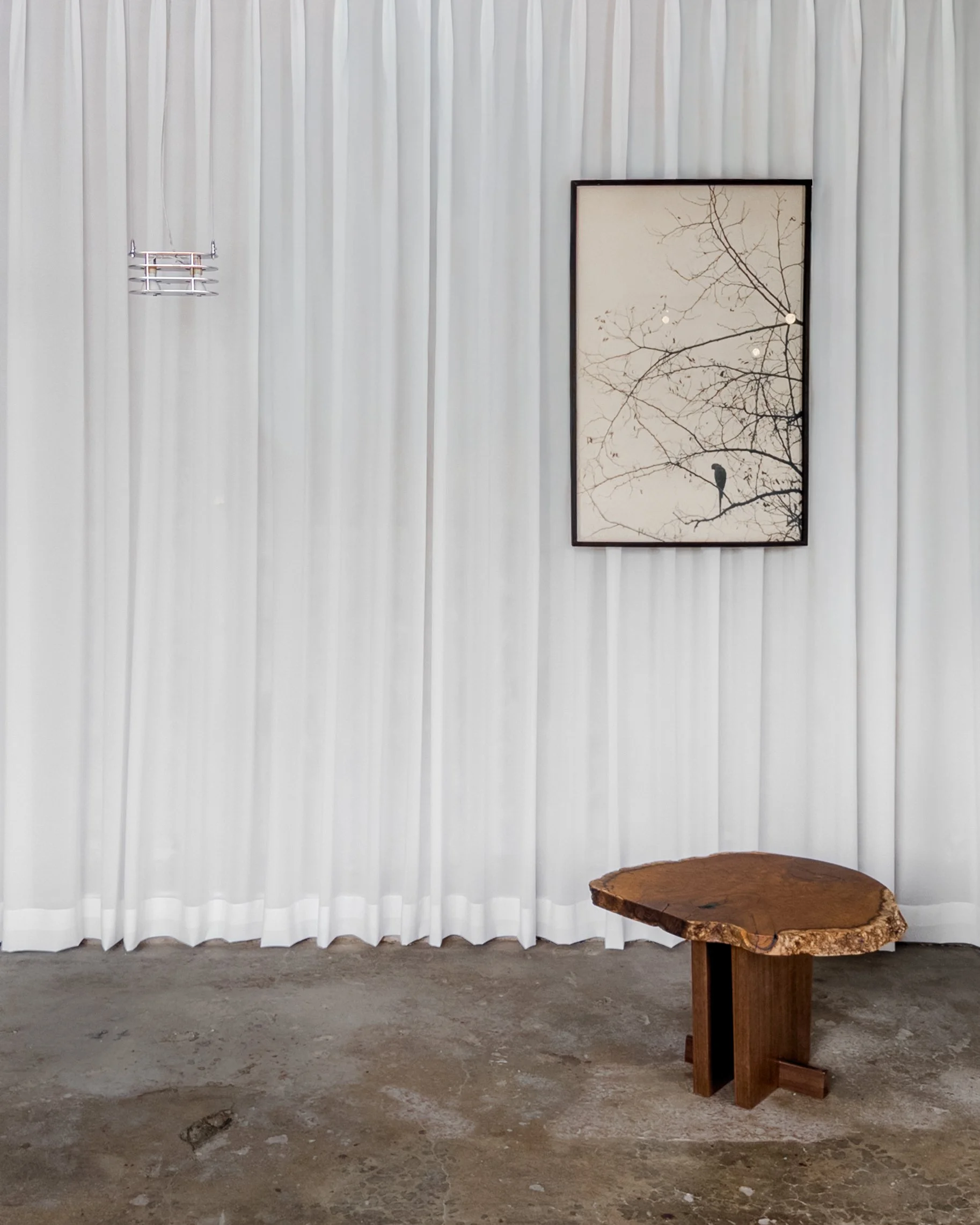
01 — ARTIST · BRUSSELS
MARIA BAOLI
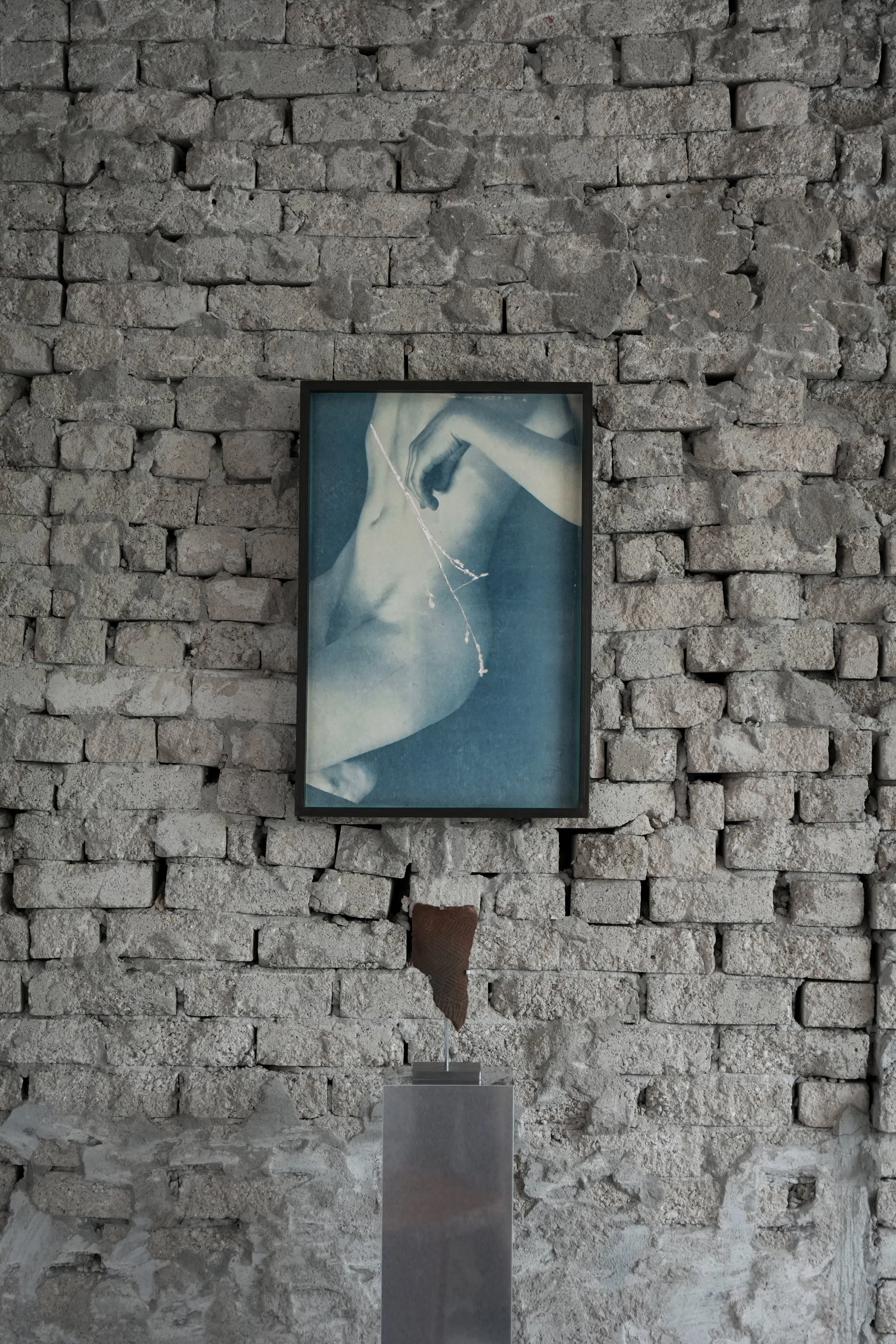
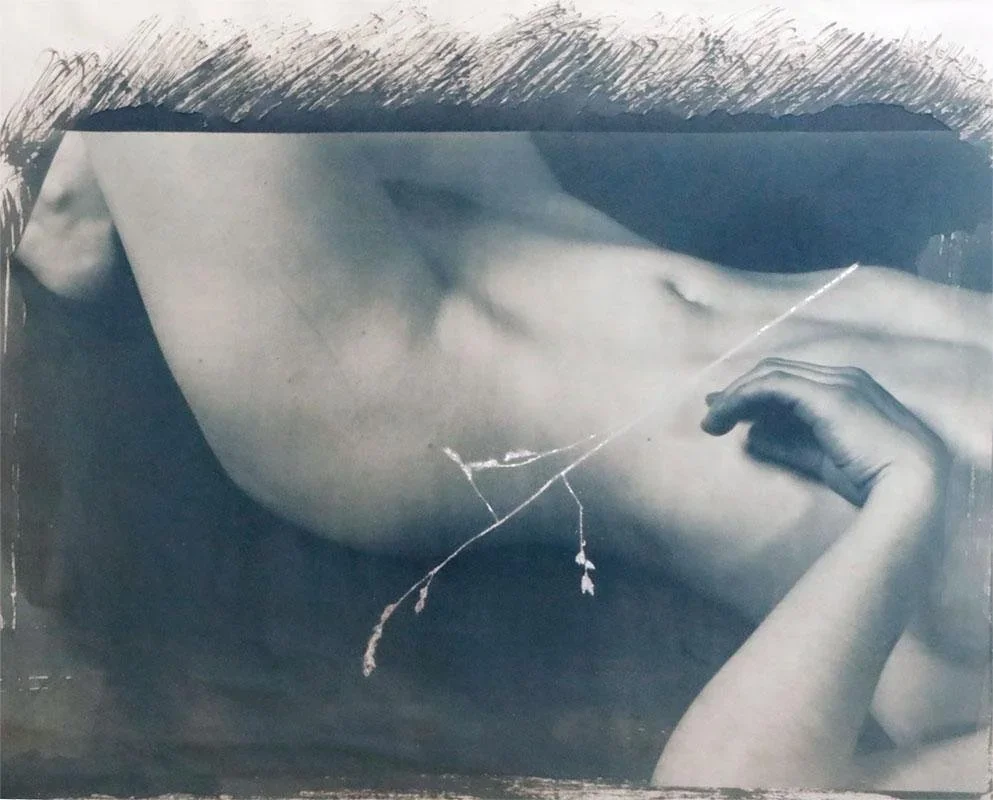
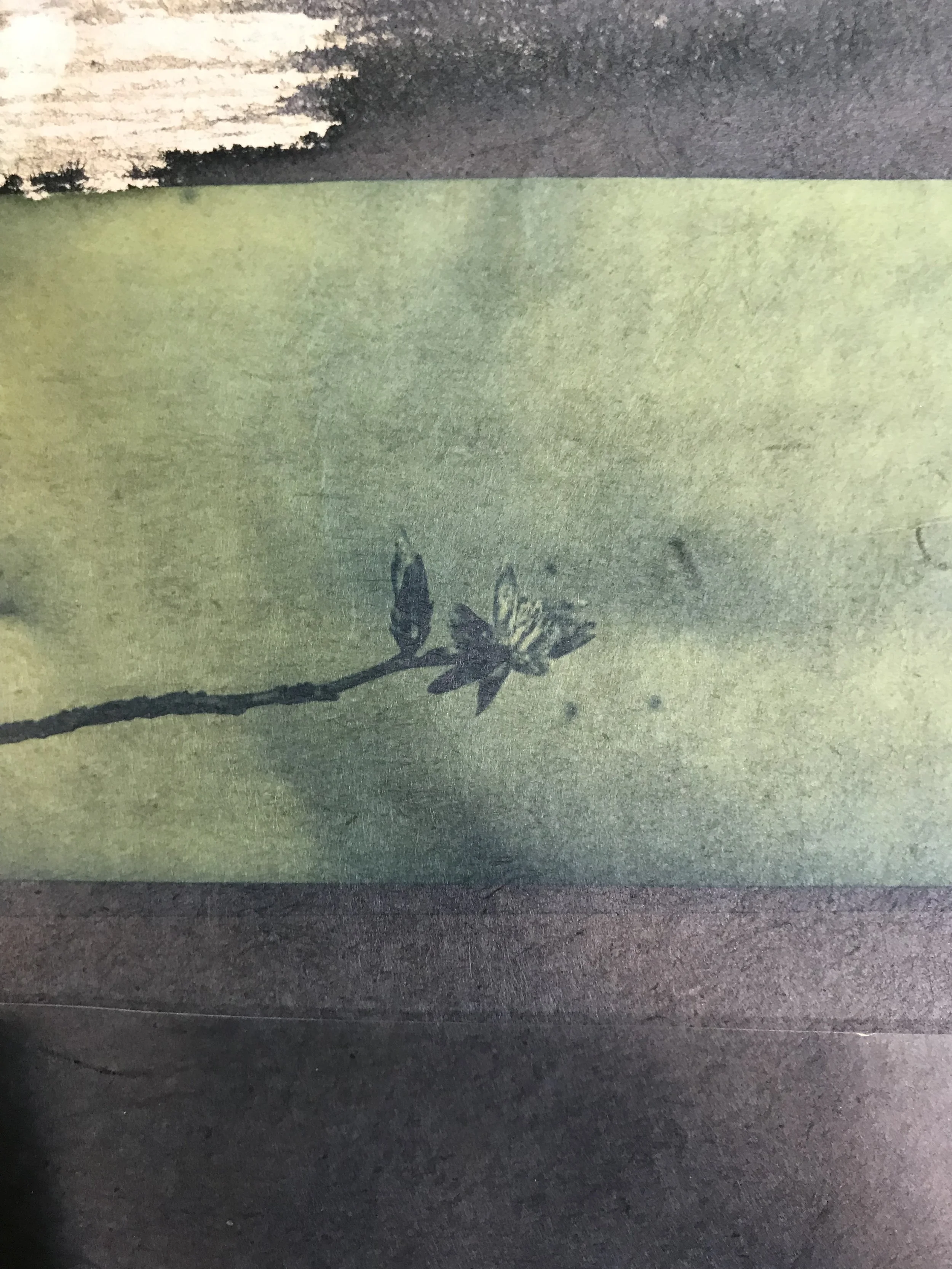
Infinity — Cyanotype on Washi Paper
To call Maria Baoli’s work simply “photography” feels incomplete.
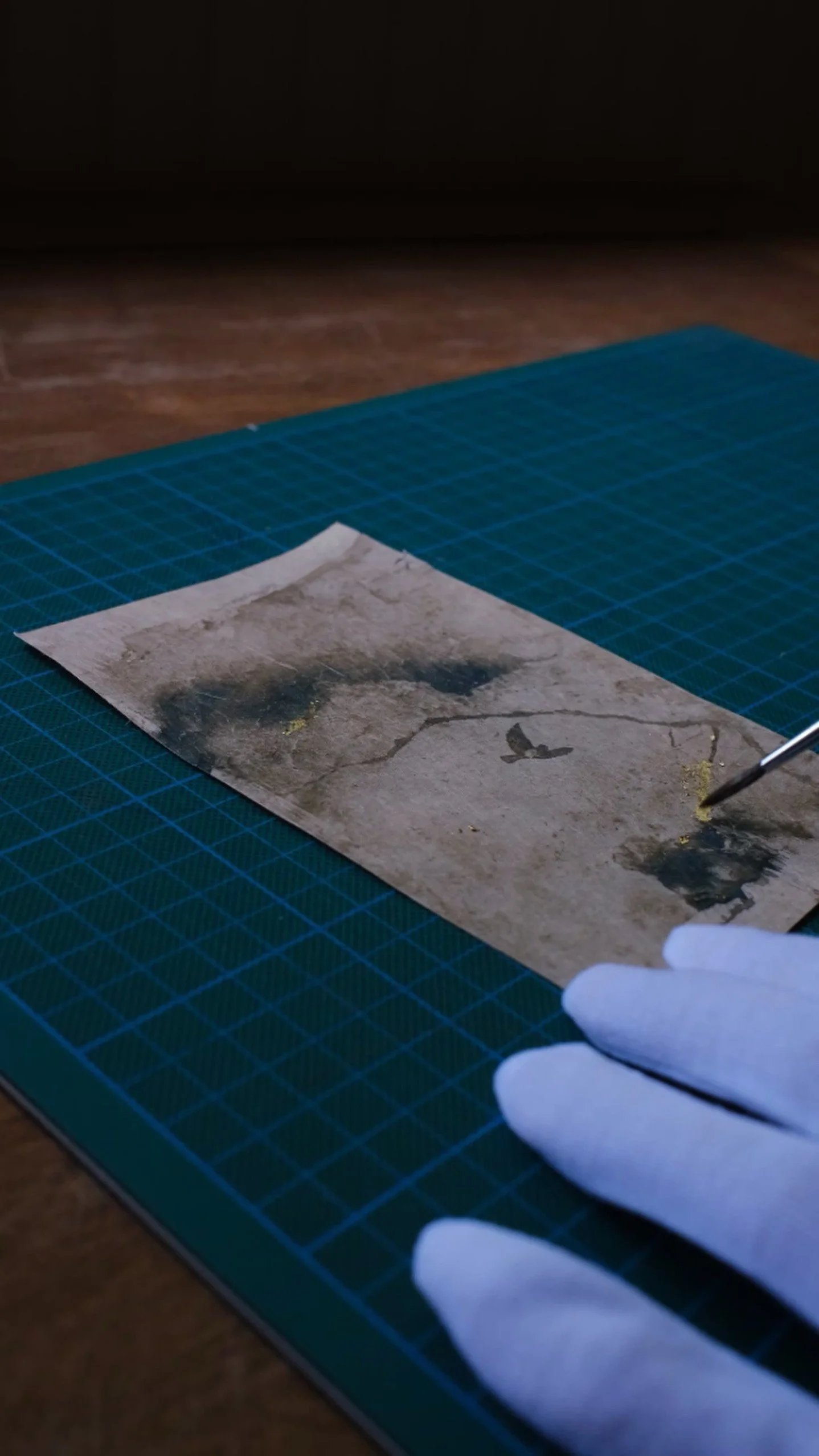
In her Infinity series, the photograph becomes a physical object through cyanotype, delicate washi paper, gold and silver leaf, and the gestures of the hand.
The paper is not simply a surface that receives an image. Its fibers and texture, absorbency and fragility, the way it responds to light, and the traces left by the brush all become part of the work.
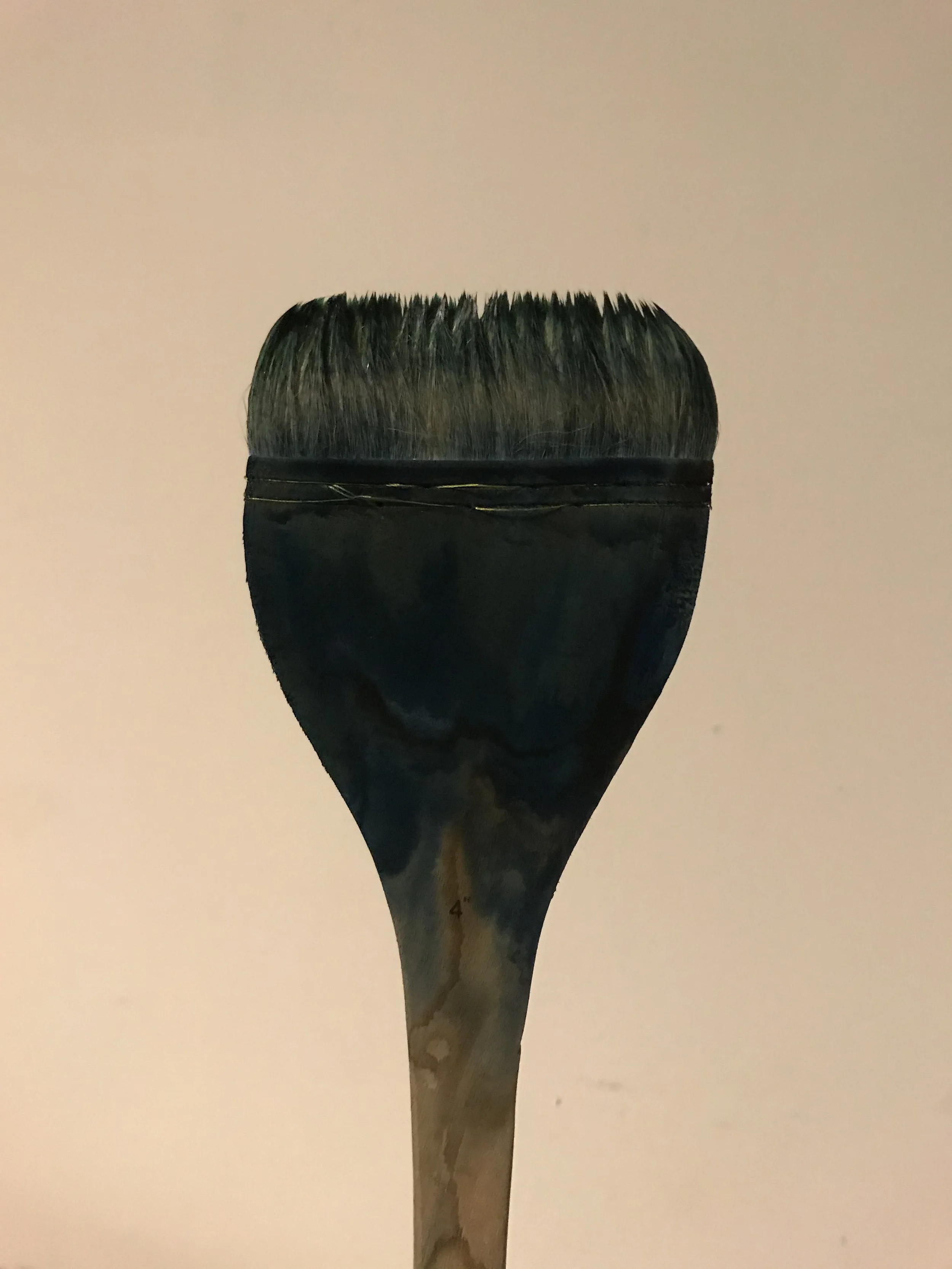
Applying the photosensitive solution with a hake brush, handling the paper directly, and applying gold and silver leaf by hand are processes that require time.
Through this slow process of making, the photograph becomes more than a means of reproducing an image.
It becomes an object that carries the time of its making and the traces of the hand.
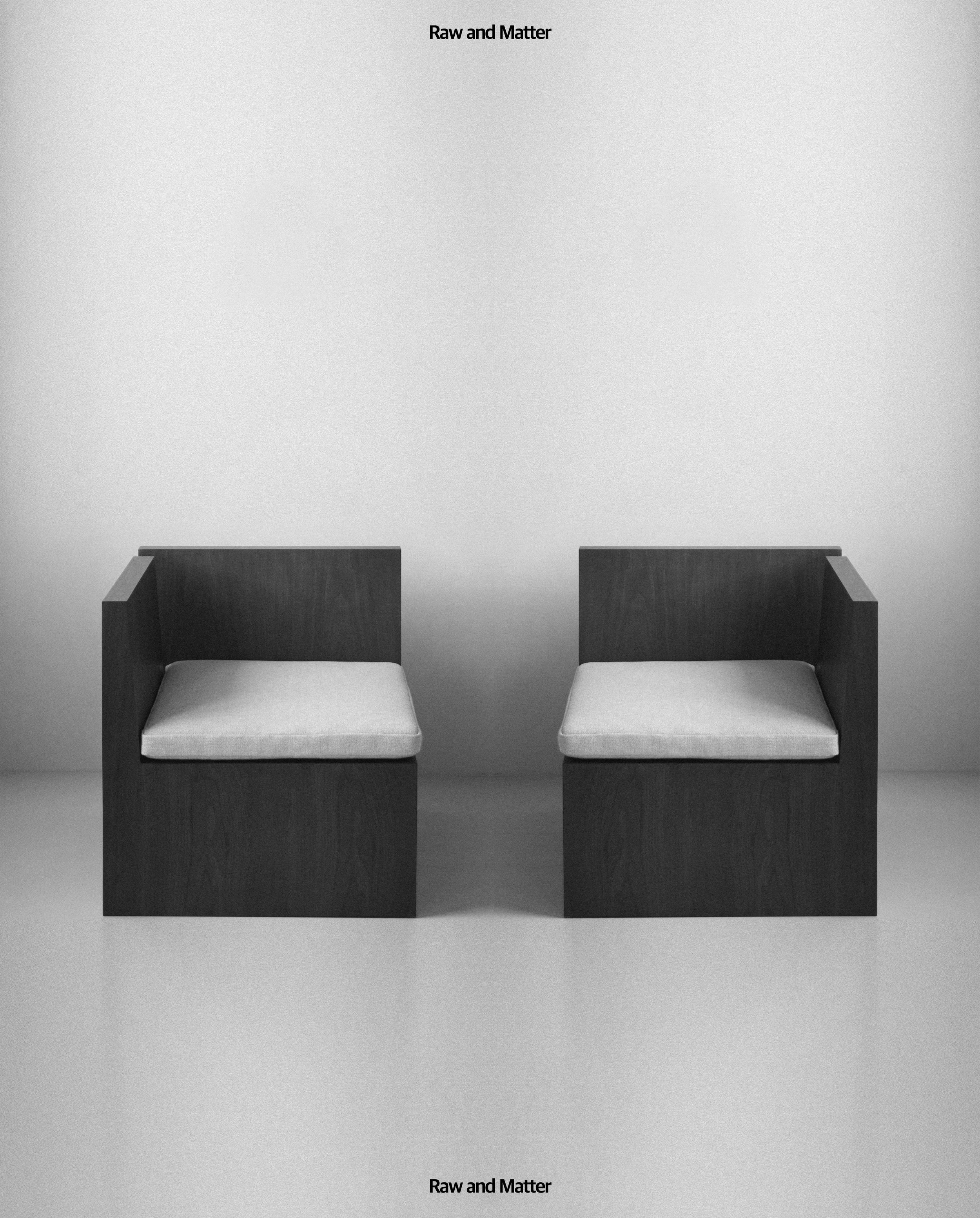
02 — DESIGN STUDIO · SEOUL
RAW & MATTER
Material, Structure, and Restraint
RAW & MATTER’s practice also begins with material.
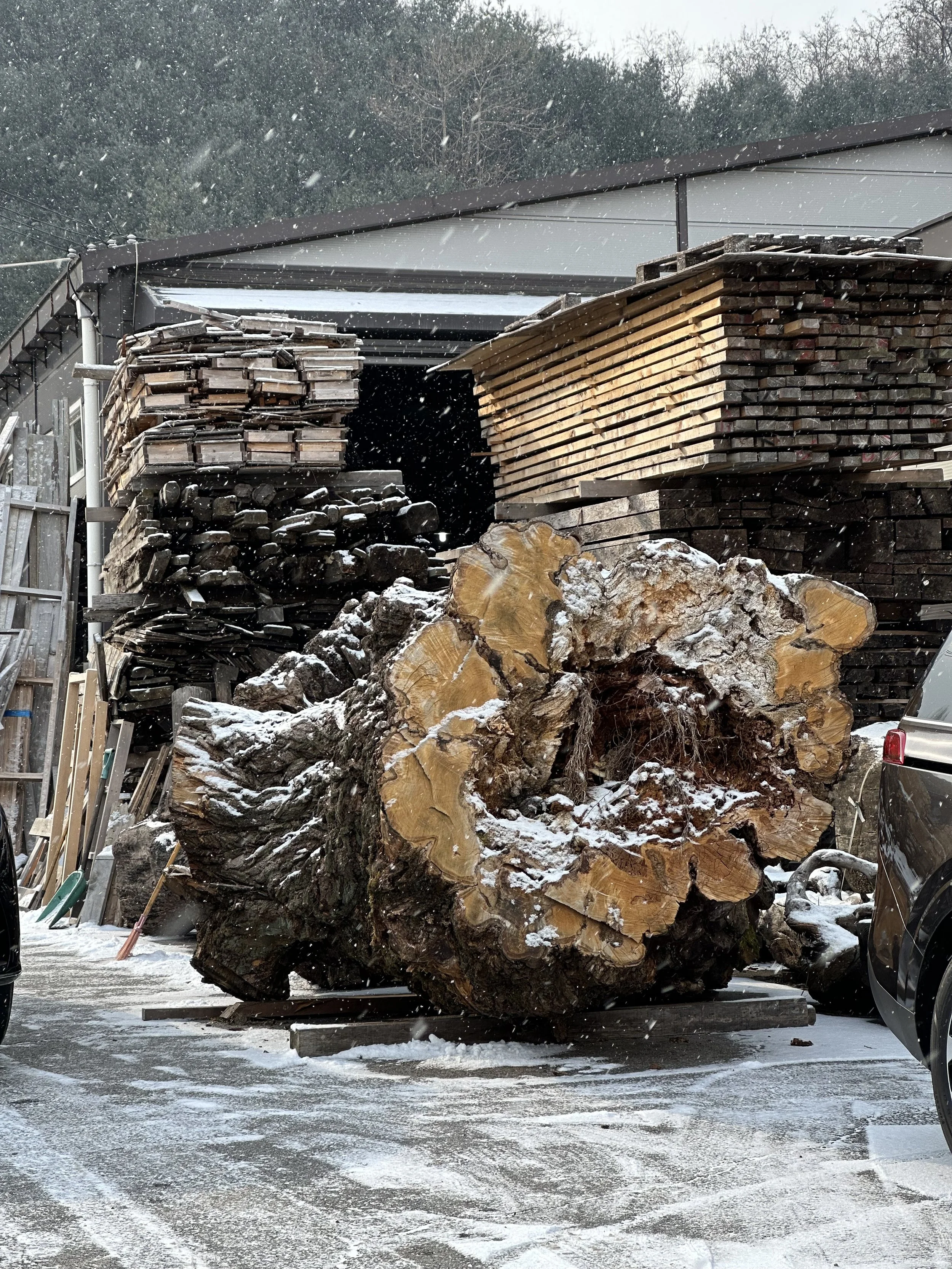
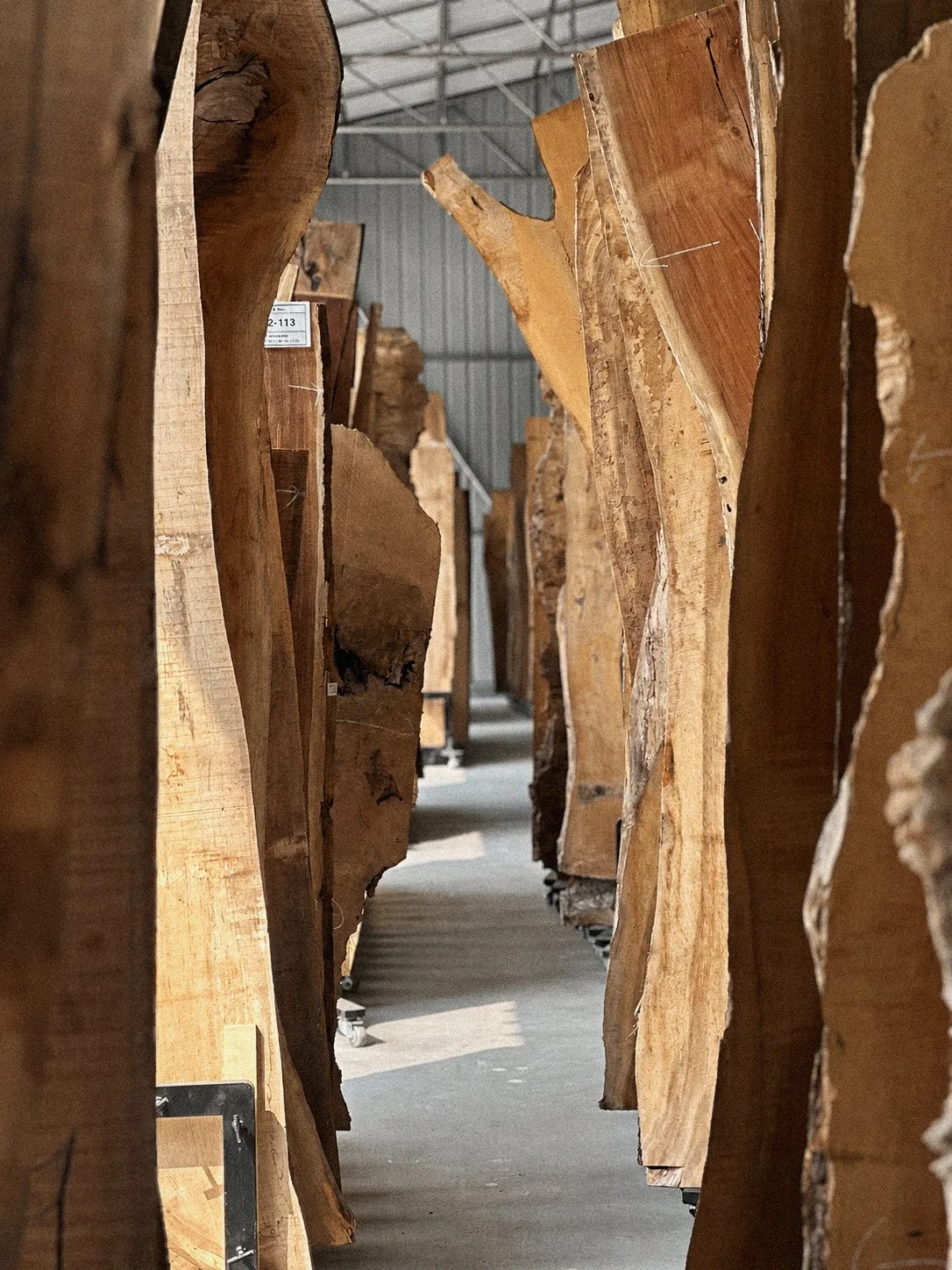
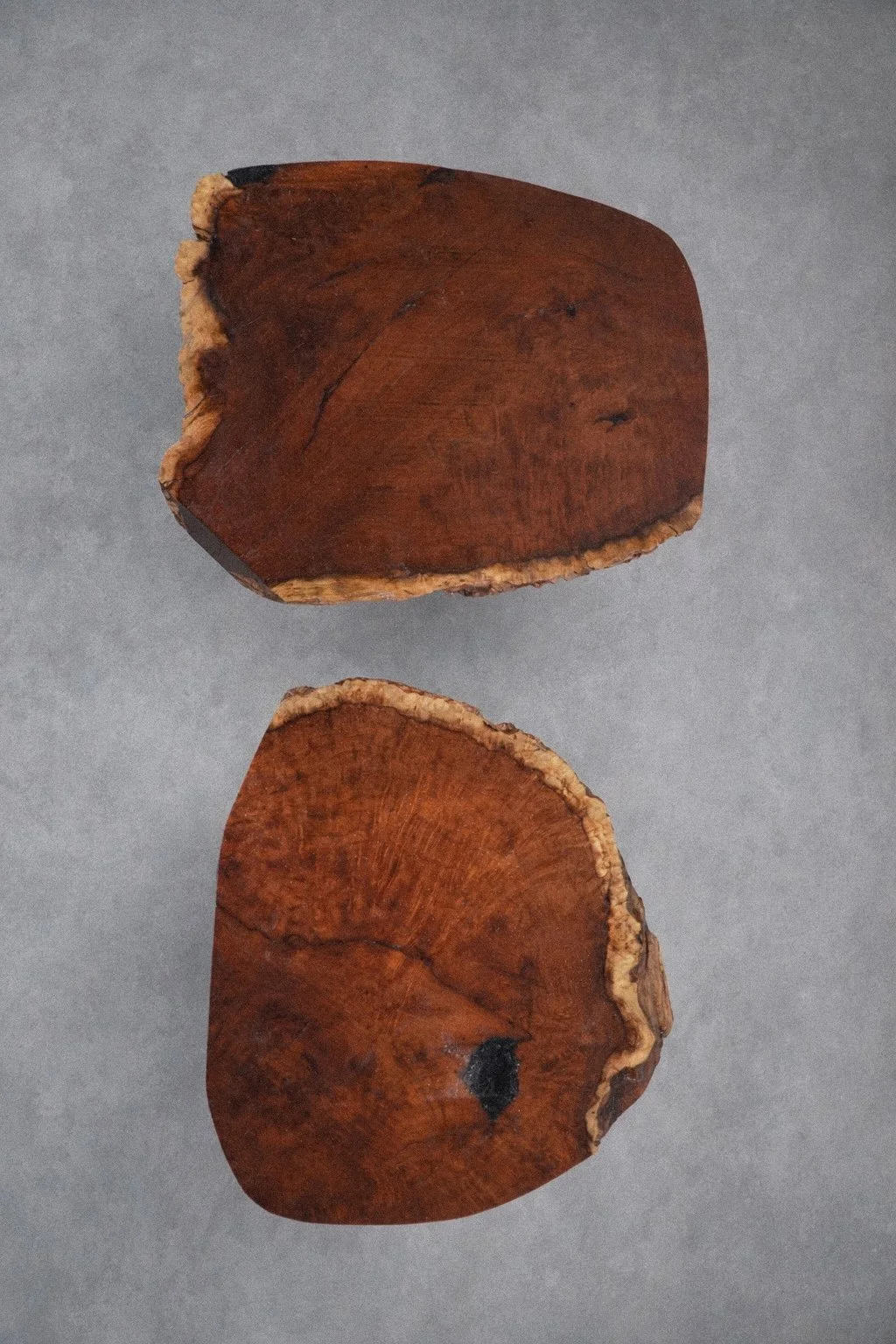
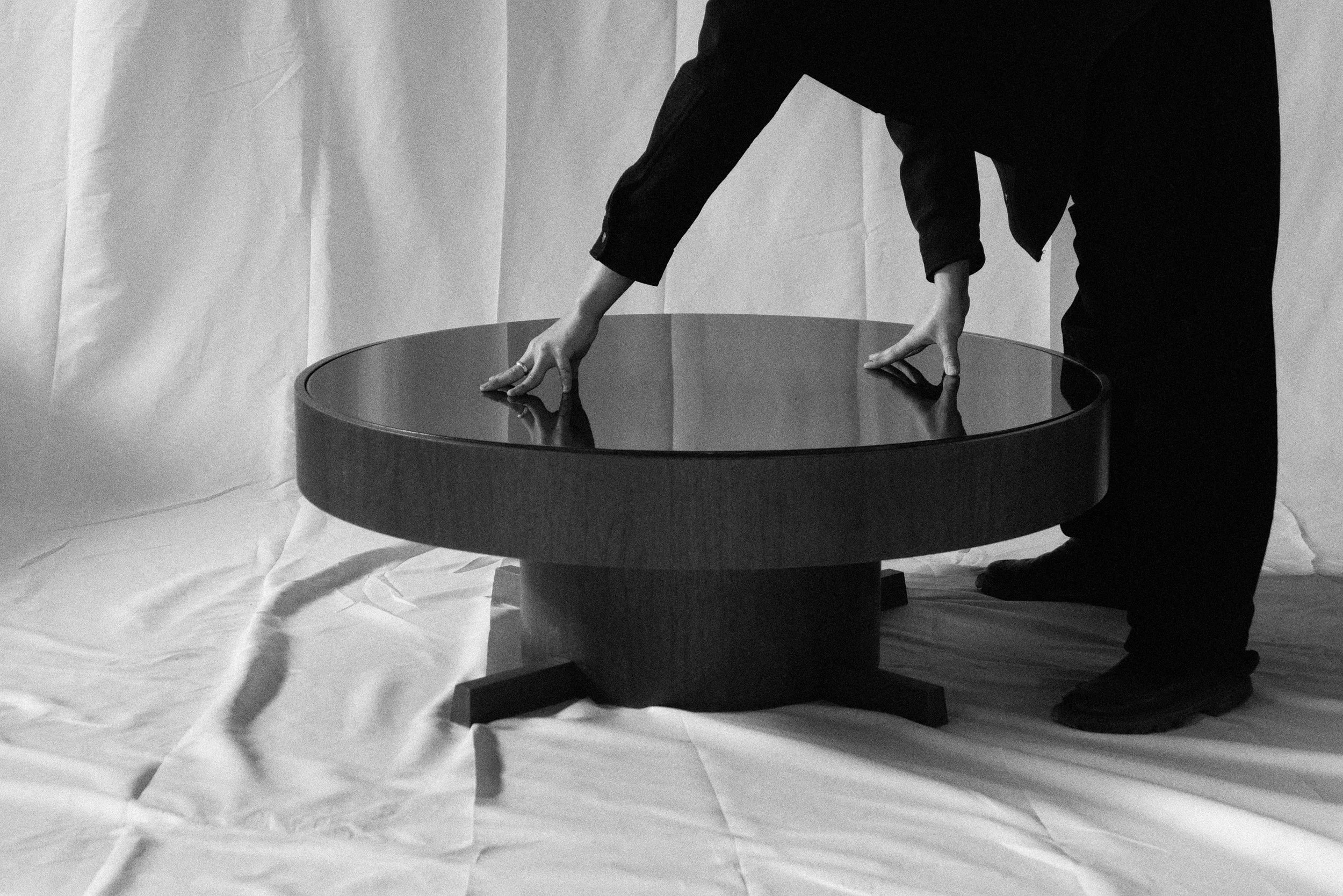
They are drawn to materials that can never be repeated in exactly the same way: the irregular grain of wood, variations in the direction and markings of hide, and the unfinished surfaces of metal.
For RAW & MATTER, material is not something to conceal before form can emerge. It is the starting point that helps determine the direction of the work.
Rather than continually adding, their process involves removing what is unnecessary.
The shape of a leg, the method of joining, a handle, a finishing detail — different possibilities are considered and then questioned: Does the form still hold without this? Does the function remain?
What survives this process is material, proportion, and structure.
Simplicity, then, is not a predetermined style. It is what remains after a long process of choosing and removing.
03 — EDITORIAL READING
Looking beyond their different disciplines, we found three shared attitudes running through both practices.
Three Shared Attitudes
MATERIAL
Material is not a backdrop for expression. It is part of the work itself.
For Maria, paper is more than a surface on which a photograph appears.
The fibers and texture of washi paper, its absorbency, the way it responds to light and photographic emulsion, and the traces left by the hand all become part of the photograph.
RAW & MATTER similarly begins with the inherent qualities of its materials — the grain of wood, the variations and markings of hide, and the unfinished surfaces of metal.
Rather than concealing or perfecting these characteristics, both allow the material’s existing texture and traces to remain visible in the work.
PROCESS
The process of making remains present in the finished work.
Maria’s practice involves direct contact between hand and paper.
Applying photosensitive solution with a brush, handling the paper, and applying gold and silver leaf are processes that leave their traces on the finished print.
RAW & MATTER similarly works closely with its materials, repeatedly considering structure and proportion and deciding what should remain and what should be removed.
Across different disciplines, the process of making is inseparable from the finished work.
PRESENCE
Adding more does not necessarily make something better.
Maria works within a restrained material language.
Washi paper, cyanotype, gold and silver leaf, light, and traces of the hand are revisited in subtle variations from one work to another.
RAW & MATTER takes a more direct approach to subtraction.
Rather than relying on details shaped by trends or decoration, the studio focuses on proportion, structure, and material — qualities that can endure beyond a particular moment.
Their methods are different, but both choose restraint over excess, allowing material and form enough space to speak for themselves.
04 — CURATED DIALOGUE
Material, Process, Presence
We asked both creators the same three questions — not because we were looking for the same answers.
We wanted to hear, in their own words, how two people working in very different disciplines choose their materials, approach the process of making, and imagine the relationship between their work and the people who experience it.
Q1. What draws you to the materials you work with?
MARIA BAOLI · BRUSSELS
A large hake brush is always within reach when I work. I like how such a humble tool requires patience and care, making every gesture deliberate.
I am drawn to photographic paper because it is not simply a surface that receives an image. Its texture, absorbency, and fragility become part of the photograph itself.
Like Michel Poivert’s reflections on the materiality of photography, I see the print as more than a representation. It is a physical object that bears the memory of its making.
RAW & MATTER · SEOUL
When several pieces of hide are laid side by side, even within similar colors, the direction of the hair and the density of the markings are all different.
I am drawn to surfaces that cannot be repeated in the same way. That is why I spend a long time looking for materials that resist uniformity, such as irregular wood grain or unrefined metal surfaces.
By the time I touch a material, it already feels half complete. I try to intervene as little as possible in what remains.
Q2. How does your process shape your work?
MARIA BAOLI · BRUSSELS
The most important moment in my process is when my hands meet the paper.
I rarely think of my hands as tools of control, but rather as mediators between the image and the material. Using a brush slows me down, allowing me to respond to what the paper asks for instead of imposing a predetermined result.
This physical dialogue shapes each print, making every work the record of a lived encounter rather than the reproduction of an image.
RAW & MATTER · SEEOUL
After working for around ten years, I once looked back through my earlier work.
Details that I once thought were stylish, elements I felt a designer was supposed to add, and choices influenced by trends began to feel unnecessary.
In contrast, the works that focused on proportion, structure, and the material itself still felt beautiful.
Since then, I have asked myself one question:
“Would I still want to use this fifty years from now?”
When I answer honestly, trends and momentary tastes naturally fall away, leaving proportion, structure, and material.
If my work appears simple today, it is not because it began that way. It is what remains after passing through that question.
Q3. What kind of relationship do you hope people build with your work?
MARIA BAOLI · BRUSSELS
I hope viewers first sense the photograph as an object before trying to decipher what it depicts.
Standing close enough to notice the paper’s fibers, the density of the surface, or the subtle traces left by the brush creates a different kind of attention.
I want the work to encourage a slower way of looking, where the image is experienced through its material presence as much as through its subject.
In that sense, the print becomes a meeting point between my gestures and the viewer’s gaze.
When I return to a finished space, I pay attention to how people use it rather than simply what they look at.
On one project, I saw someone stop in front of a shelf and slowly run their hand along the wood grain.
It was a moment of sensing the material without needing any explanation.
We hope people will not treat our spaces and furniture simply as objects to be admired, but will naturally add their own habits and time to them.
Ultimately, what we hope is that people will live with our work in their own way, for a long time.
RAW & MATTER · SEEOUL
05 — EDITOR’S REFLECTION
Every creator has a different language.
Some express themselves through photography.
Others through furniture.
Others still through architecture, fashion, or space.
But behind every meaningful work is a way of thinking, a set of values, and an attitude toward making.
Curated Dialogues was created to look at the perspectives and attitudes of people working across different creative disciplines, and to discover the unexpected connections between them.
Rather than placing people together simply because they work in the same field, we are interested in what they share, where they differ, and what those differences reveal.
Instead of beginning with medium or discipline, we look first at the person and the thinking behind the work.
“Behind every work is a person.
That’s where our dialogue begins.”
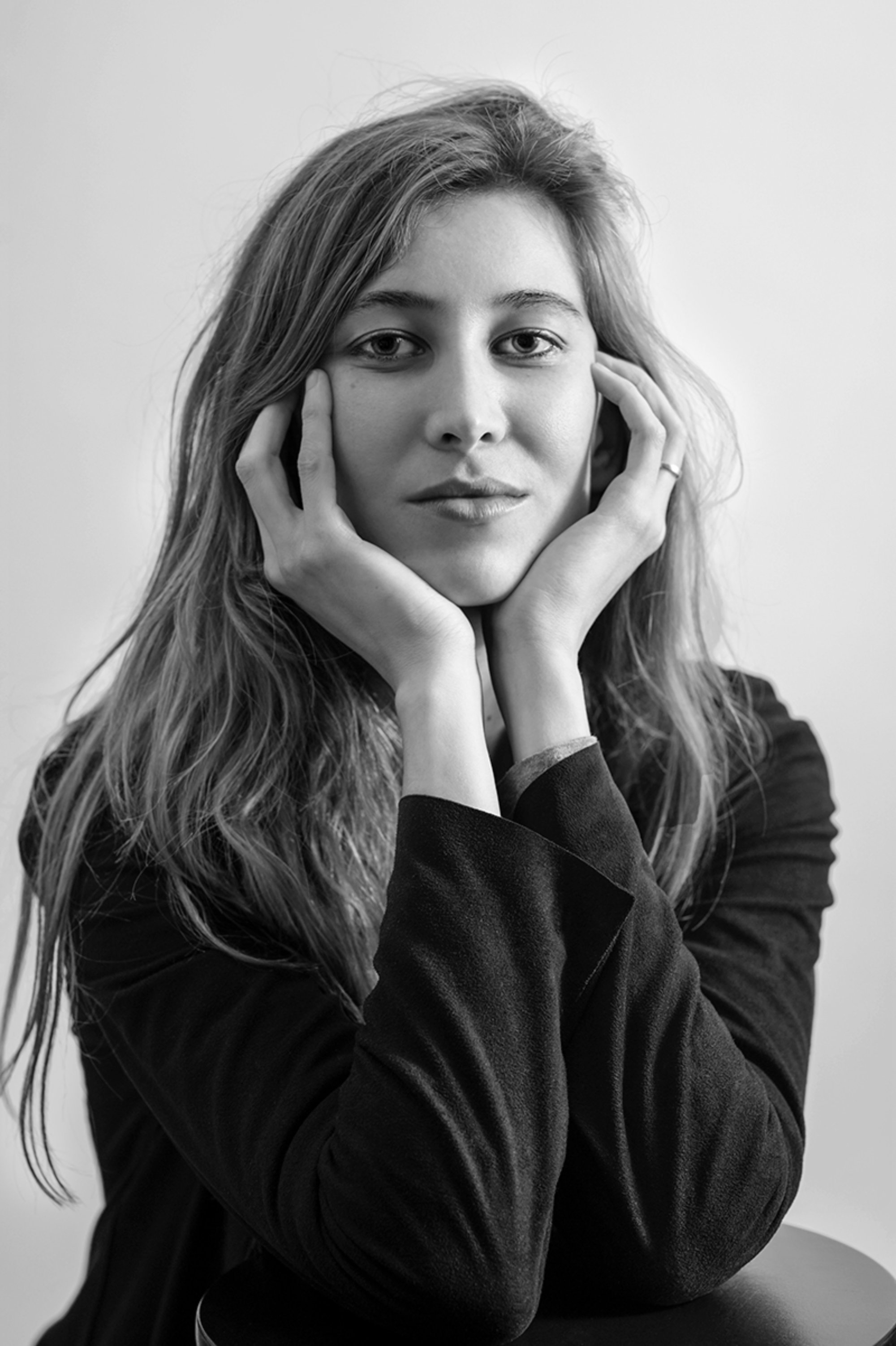
MARIA BAOLI · BRUSSELS
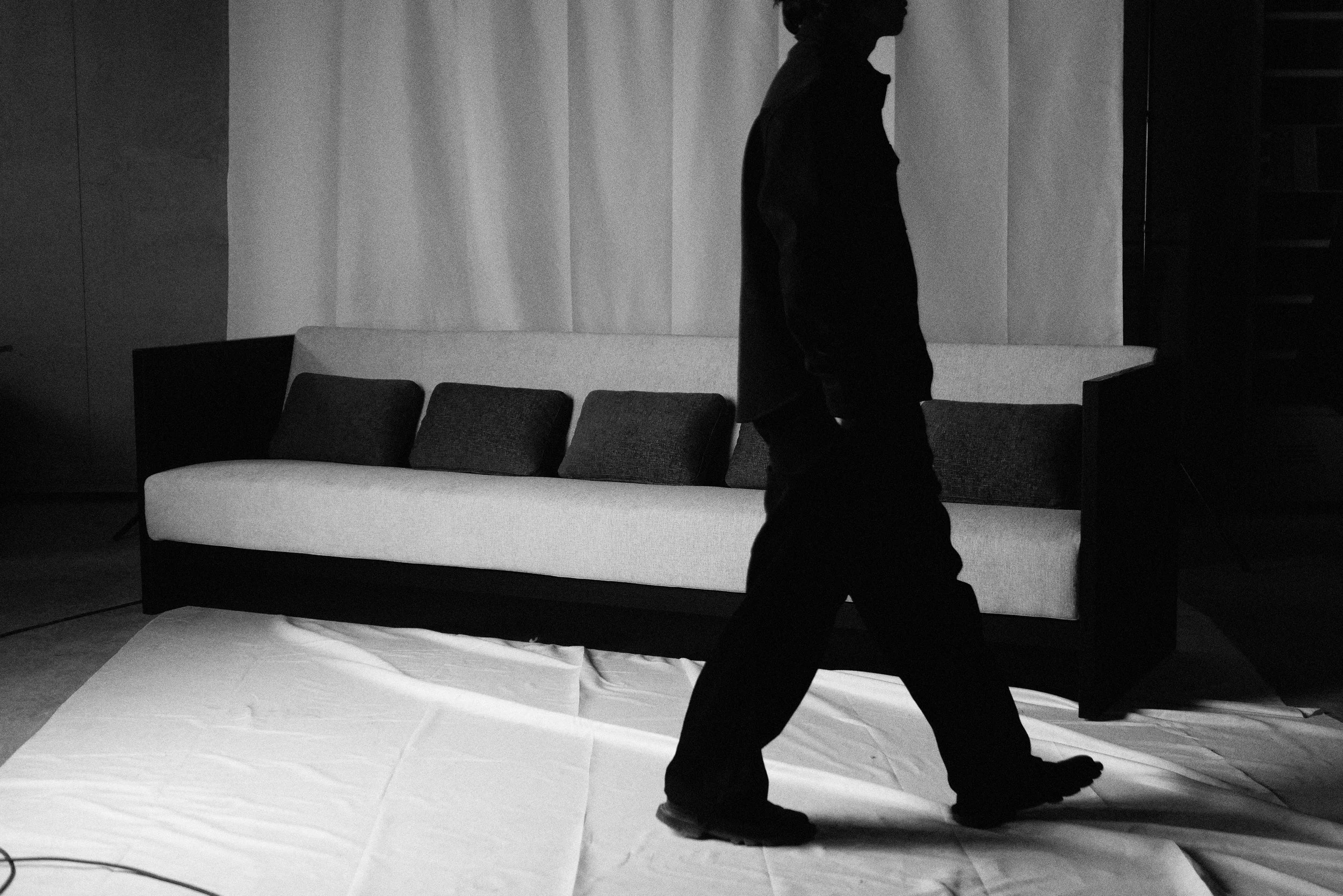
RAW & MATTER · SEOUL
FEATURED COLLECTION
A selection of the works and designs featured in this edition of Curated Dialogues
is available through the Maison Navie Collection.